
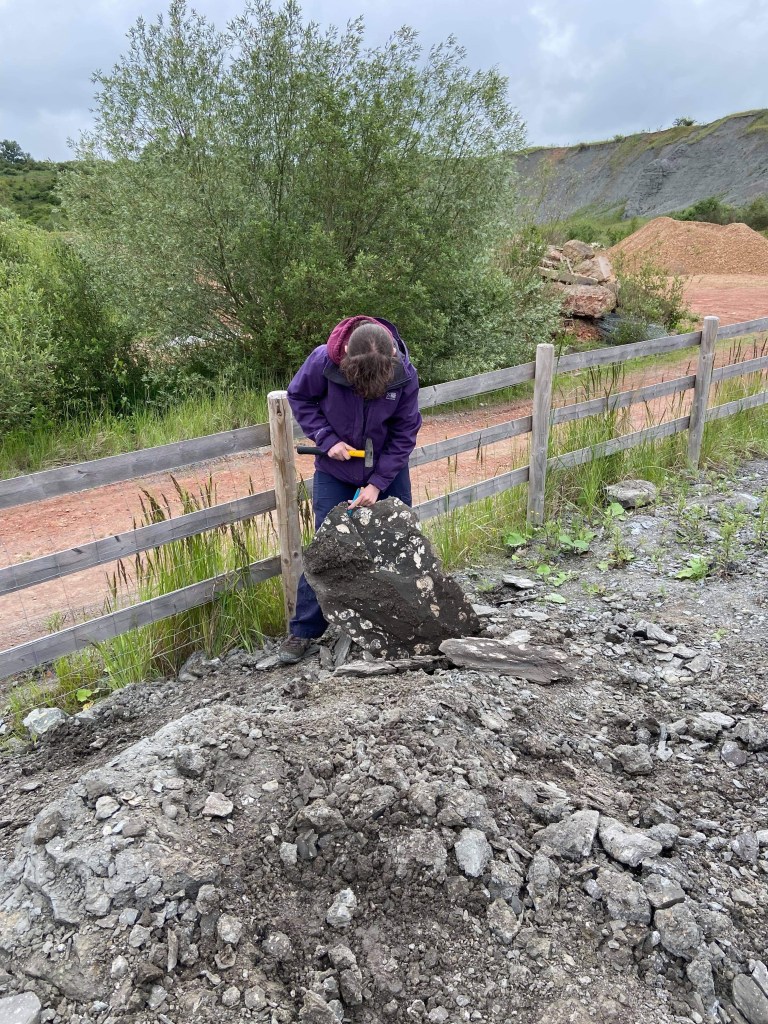
Oxford Clay, Peterborough
This is a part of a private nature reserve known as Kings Dyke in Whittlesey.
It is free to apply for a membership through the reserve’s website.
This is a great location for beginners as it is right next door the the active brick works and once so often material gets dumped on the outside of the reserve (untouched), ready for anyone to go and have a rummage and see what they can find.
The clay was deposited from a Jurassic Sea so you can find ammonites, belemnites, bivalves, fish remains and if you are lucky a tooth or vertebrae from a marine reptile!
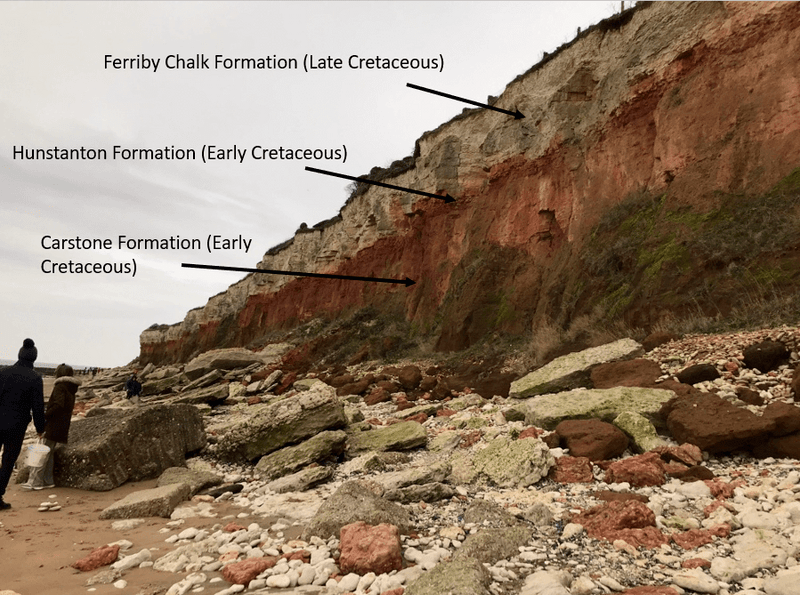
Hunstanton, Norfolk Coast
Hunstanton is famous for its unique red and white chalk cliffs. These cliffs are cretaceous in age and you can find different things in the different layers.
There is little to nothing to find within the Carstone Formation (bottom dark red/brown layer). Belemnites and brachiopod’s can be found within the Hunstanton Formation. Echinoids, brachiopods, worm tubes and crustacean burrows can all be found in abundance in the Ferriby Chalk formation. A little less common are small shark teeth and section of ammonites. If you are very lucky bone can be found.
It is important you stay away from the cliff and hunt for fossils safely in the fallen boulders away from the cliff. Fossils can be easily observed but a hammer and chisel are required for excavation.
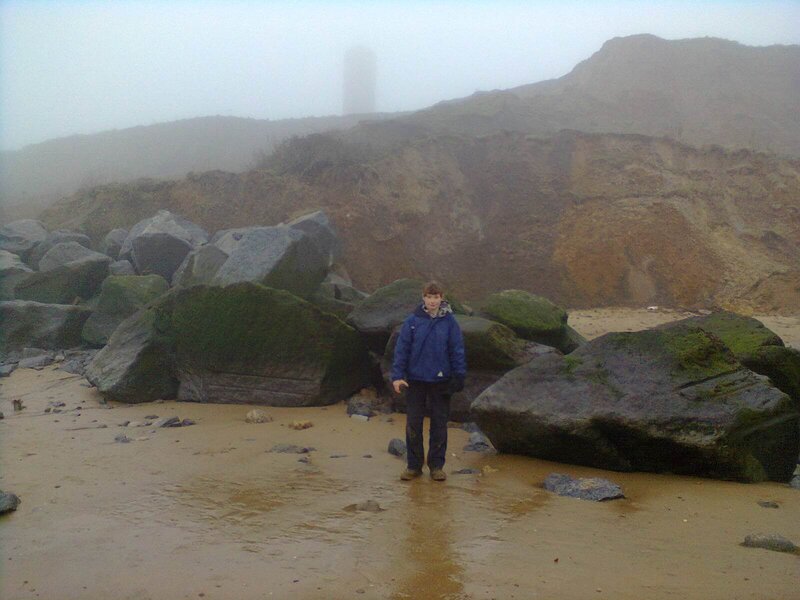
Walton on the Naze, Essex
This is a great location where you can pick up fossils along the beach, no tools required! but a trowel might be handy. Therefore this location is great for beginners and children.
There are two main formations here:
The London Clay (Eocene), provides a constant supply of shark teeth and pyritized wood. The Red Crag Formation (Pliocene), yields fossil shells similar to what you find on beaches today but they have taken on the orange colour of the formation.
The cliffs are very soft here, the sea comes and washes the fossils out of the cliff and then they get caught up amongst the shingle. Therefore, the best time to visit is after a high tide or storm.
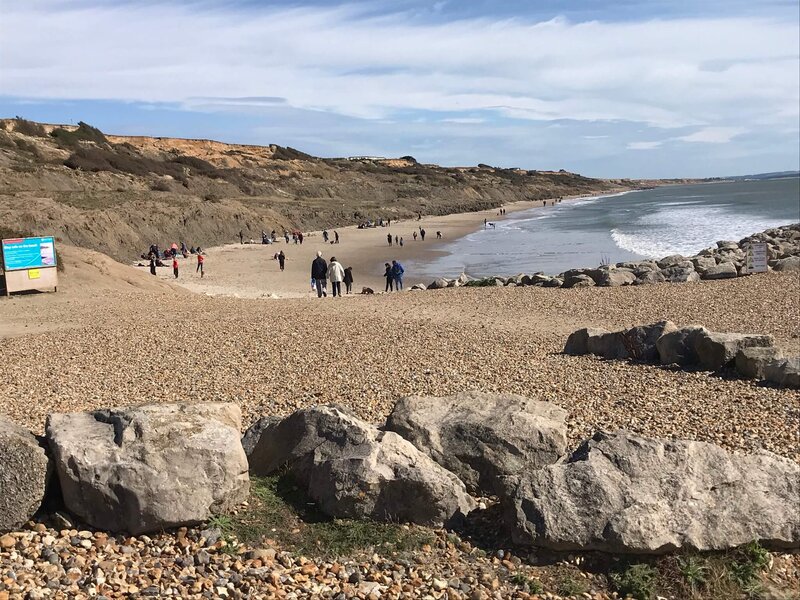
Barton on Sea, Highcliffe Hampshire
This location is similar to Walton on the Naze, the cliffs are very soft and fossils (including shark teeth) can be found along the beach.
The majority of fossils found have come from the Barton Clays (Eocene). The majority of shark and ray teeth can be found along the foreshore but the cliffs can be looked at for fossil shells, such as a wide variety of gastropods and bivalves, and worm tubes.
The cliffs are slumped and therefore less hazardous but you still need to be careful, it is not advised to climb on the cliffs.
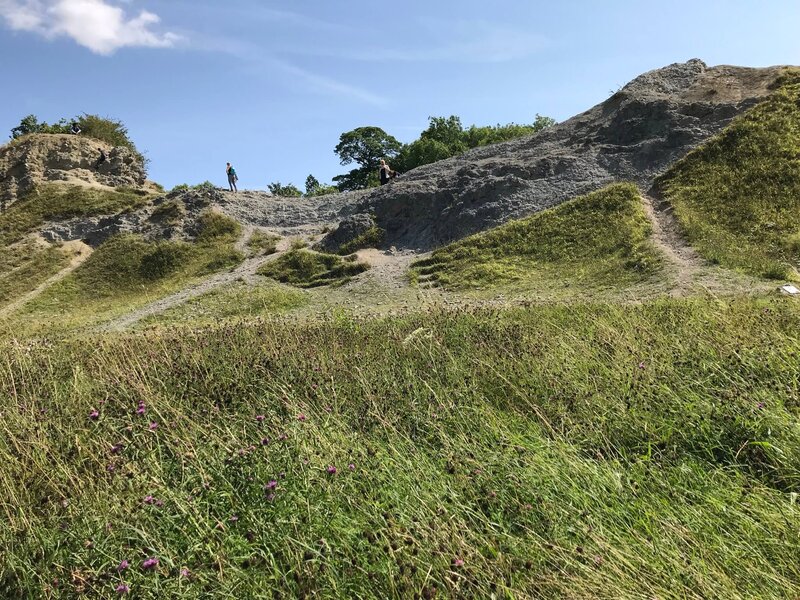
Wrens Nest, Dudley
This site is an SSSI so no tools are allowed, you can collect loose weathered out fossils which are very abundant, making this location great for beginners and children.
These beds were once ancient sea floors, and represent a coral reef death assemblage from the Silurian Period. The formation is a part of the Much Wenlock Formation and formed 428 million years ago.
Brachiopods, coral, sponges, bryozoans, crinoids, and if you are lucky a Dudley Bug (trilobite) can all be found at this location.
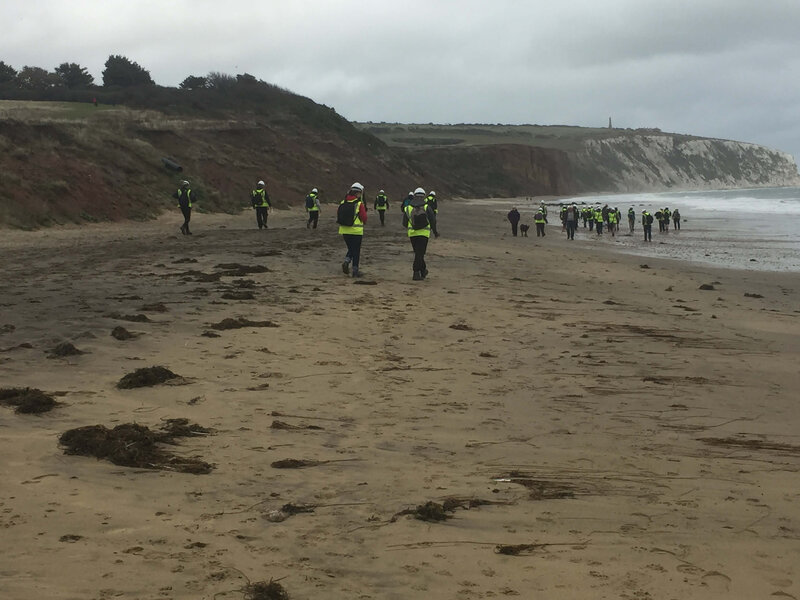
Sandown, Isle of Wight
Sandown or Yaverland is famous for its range of geological formations along with dinosaur bones being a common occurrence.
The most fossiliferous formations are the Wessex, Vectis and chalk formations. All formed in the Cretaceous period.
Dinosaur bones come out of the plant debris bed within the Wessex formation. You can find fish and shark bone within the boulder layer of the Vectis formation and if your lucky ammonites in the chalk.
This site is a ISSS site, most fossils (including rolled bone) can be found along the foreshore or at the base of the cliffs but often the best finds are found under the right conditions.
Yorkshire Field Trip
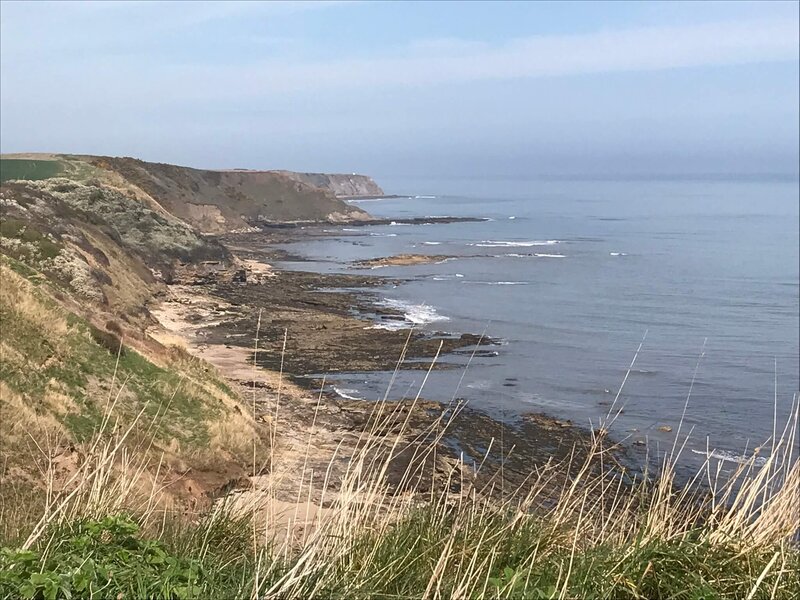
A part of my third year of my undergrade degree we took a week long field trip along the Yorkshire coast.
The places visited and collected from where Whitby, Staithes, Robin Hoods Bay, Scalby Ness, Port Mulgrave and Betton farm (Ayton) – private land.
A variety of fossils were found, Dac ammonite nodules (Port Mulgrave/Staithes), ginko leaves (Scalby Ness), pecten bivalves (Robin Hoods Bay), echinoids and gastropods (Betton farm).
In the future I will add more pictures along with the notes from my field notebook and more detail on each of the locations
 fossil Journeys